Small Hole Perforated Sheet Manufacturer In Barmer
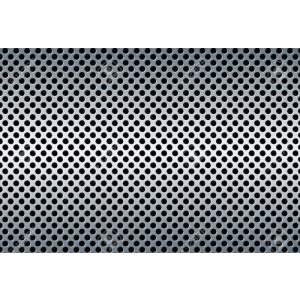
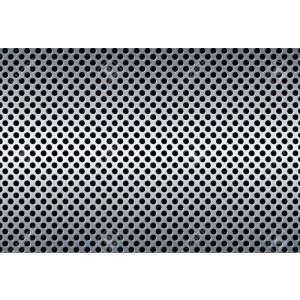
Details of Small Hole Perforation
Running operations for small hole perforated sheet manufacturing in Barmer needs strict control. It cuts waste and holds the quality tight for each batch we produce. The process demands careful setup to meet customer specs exactly, which means no cutting corners on measurement or material checks.
Choosing the right hole diameter is key. Small holes mean precision drilling under close watch during production to keep shapes and sizes uniform throughout the sheet. Variations can cause problems downstream in use, so it's a focus from start to finish.
Why Uniform Holes Matter
- Strength: Consistent holes keep the sheet strong where it matters most.
- Appearance: Even patterns look better for visible applications like facades or filters.
- Function: Proper airflow or filtration depends on exact hole sizing and spacing.
The challenge lies in balancing speed with accuracy; pushing machines too fast risks errors, but slow runs affect lead times customers dislike. We work on fine-tuning our tools to strike this balance right.
Adjusting production for each order is not just about size and thickness; we factor in material type like mild steel or stainless steel since they behave differently under punch pressure. Plus, environmental factors at Barmer—like dry dust—affect machine maintenance cycles more than in other places (dust is the real enemy here). Our schedule plans account for this so downtime stays minimal without compromising output quality.
This flexible approach means we can handle custom requests swiftly while keeping standard product lines flowing smoothly. We avoid bottlenecks by shifting resources between tasks as needed rather than sticking rigidly to one plan all day long, which often leads to delays when issues pop up unexpectedly.
If you want consistent small hole perforated sheets that don’t let your project down because of sloppy gaps or weak points, take a look at what we have ready now. Our stock covers common sizes used widely across industries plus special options made on demand that fit unique setups without extra fuss.
Offered Product
